

Docker, the ultimate tool
Why use Docker for your web project? Discover its benefits, limitations, and its role in creating a reliable, reproducible, and modern architecture.
Sur cette page8 sections
Docker allows you to run an application in an isolated and reproducible environment. Here is how it concretely changes a web project.
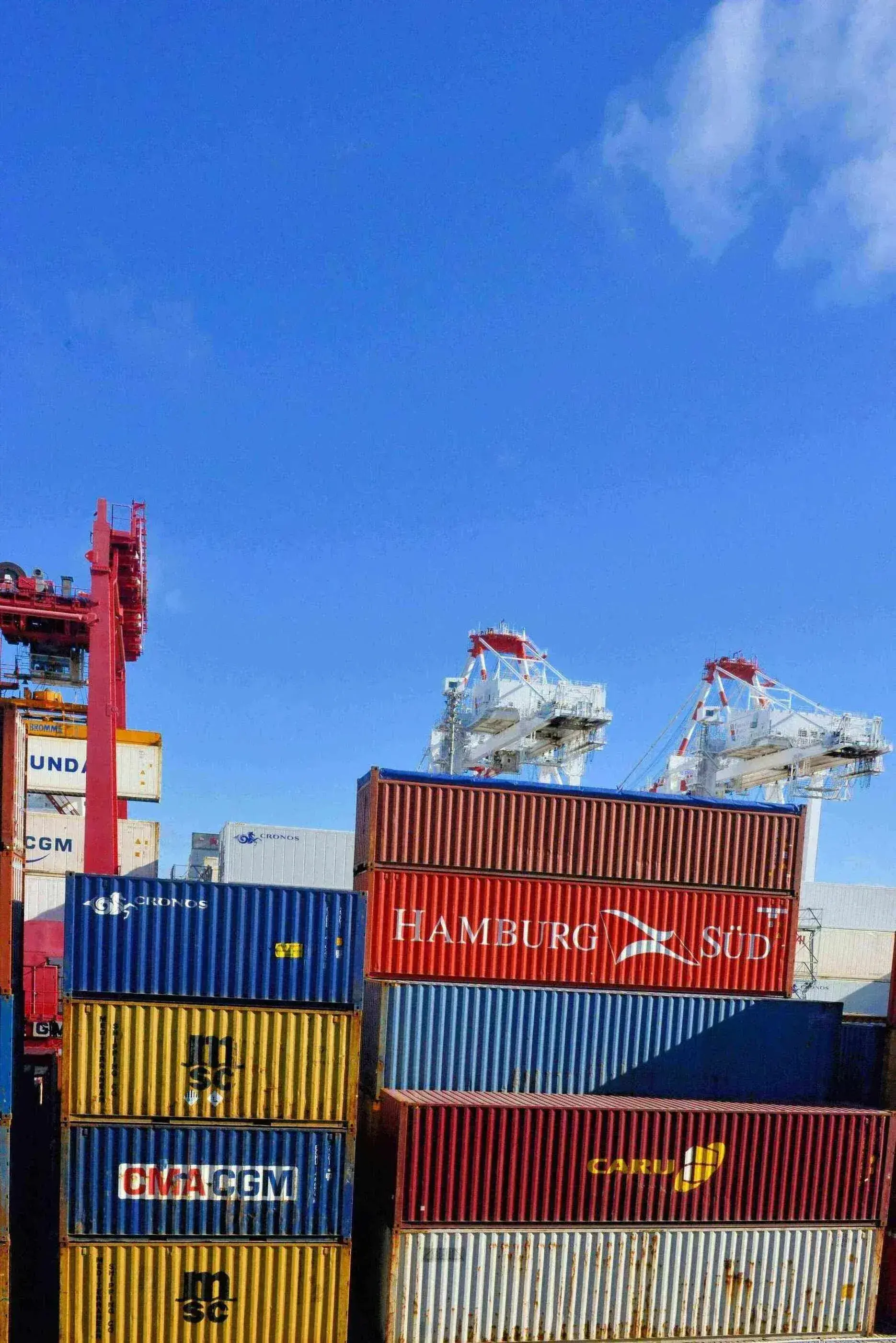
Docker is based on containerisation, a concept that allows an application and all its dependencies to be encapsulated in a container. The latter works like a small virtual machine, but without the weight of traditional hypervisors. Lightweight, fast, and portable, Docker stands out as an elegant solution for creating reproducible environments and avoiding discrepancies between different systems.
Why is everyone talking about it? Because Docker is freedom: the freedom to develop and deploy without compromise, with rock-solid reliability. And this reliability, combined with its flexibility, makes it a preferred choice for modern projects.
What is Docker and why is everyone talking about it?
Docker has become a must-have for developers and companies looking to simplify their development and deployment processes. But what exactly is Docker?Docker is based on containerisation, a concept that allows an application and all its dependencies to be encapsulated in a container. The latter works like a small virtual machine, but without the weight of traditional hypervisors. Lightweight, fast, and portable, Docker stands out as an elegant solution for creating reproducible environments and avoiding discrepancies between different systems.
Why is everyone talking about it? Because Docker is freedom: the freedom to develop and deploy without compromise, with rock-solid reliability. And this reliability, combined with its flexibility, makes it a preferred choice for modern projects.
Concrete benefits (And why take the plunge as a dev).
Isolation
With Docker, every project is watertight. Configurations, libraries, and dependencies are isolated, preventing conflicts between projects. This allows for more flexible integration, notably thanks to docker-compose which facilitates the orchestration of container groups. In both development and production, this isolation strengthens environment stability.Reproducibility
The famous phrase "But it works on my machine" becomes obsolete. Everything that works locally will work identically in production. This reproducibility is essential for distributed teams or complex infrastructures where every component must function without surprises.Portability
A Docker container can be deployed on a laptop, a cloud server, or a Kubernetes cluster without any modification. Just install Docker, and you're good to go! This portability also reduces migration times between infrastructures.Efficiency
Unlike a virtual machine, Docker is much less resource-intensive. Separating containers allows for real-time analysis of the consumption of each component in your Docker project, avoiding a single server instance being overloaded by independent programs. This efficiency makes the best use of available resources.Eco-responsibility
By optimising resources, Docker helps reduce the energy footprint of applications. The more it can run on a small machine, the less it consumes, and the less it pollutes. This approach resonates with growing sustainability expectations in the tech sector.Docker in my business: what I do for you (and the planet)
Optimised deployment
My application uses Docker Compose to orchestrate each service. This ensures stable and consistent environments, whether for a showcase site or a complex application. This consistency reduces the risk of errors related to environment differences.Cost reduction
By fully exploiting server resources, Docker reduces hardware needs and therefore hosting bills. This reduction is accompanied by greater flexibility to adjust resources according to actual needs.Environmental impact
By limiting resource waste, we contribute to a greener web. Fewer servers, less energy consumed. Every deployment saves a little more energy for future generations. It’s a winning choice for efficiency and sustainability.Isolated virtual networks
Each project uses its own virtual network, ensuring total isolation and increased security. These networks also allow for clear management of data flows between services.Modern technologies
With Docker, ageing servers and obsolete stacks are a thing of the past. By relying on containers that are always up to date, it becomes easy to migrate to modern versions of technologies without disrupting existing infrastructure. This ensures constant evolution and compatibility with the latest innovations. We always deploy on cutting-edge infrastructures, ready to meet tomorrow's challenges.Docker in the daily life of developers
Setting up a dev environment
With adocker-compose.yml file, you can create a complete environment in seconds. This simplicity allows developers to focus on code without wasting time on configuration.Hassle-free testing
Want to test PostgreSQL 15 or PHP 8.3 without installing anything? It's possible with Docker. Old servers and their obsolete technical solutions belong to the past. Docker allows you to work with modern, always-updated technologies. Updates are simple, fast, and reduce the risk of errors.CI/CD Pipeline
Docker integrates perfectly with CI/CD tools for fast builds and smooth deployments. This integration simplifies production chains and improves collaboration between developers and operations.The limits (because not everything is perfect).
Initial complexity
Docker requires a certain learning curve to master its concepts and ecosystem. For example, understanding the structure of Dockerfiles, managing persistent volumes, or advanced orchestration with Docker Compose can be confusing for new users. However, this curve is rewarded by increased control.Not a silver bullet
Docker doesn't solve all problems, especially if poorly configured. It is crucial to clearly understand your needs before implementing it.Resource management
Poor container optimisation can lead to overconsumption. It is essential to monitor performance and regularly review configurations.A few tips for mastering Docker
Efficient Dockerfiles
Reduce the size of your images by using minimalist bases likealpine. This improves performance and reduces deployment times.Docker Compose
Automate the management of your services with well-structured configurations. Good organisation facilitates updates and the addition of new features.Docker Networks: isolating services
Fully exploit Docker's features to create partitioned and secure environments. Good virtual network management avoids connection problems between services.Scaling up
Explore advanced tools like Docker Swarm or Kubernetes for complex infrastructures. These tools offer great scalability and optimised resource management.What if we dockerised your project together?
Docker is more than a tool; it's a philosophy. With my expertise, I can transform your site or application so that it is:- Easy to maintain: A clean and reproducible deployment, with no surprises.
- Less resource-intensive: Maximum optimisation to reduce costs.
- Hosted on modern infrastructure: Always up to date, always high-performing.